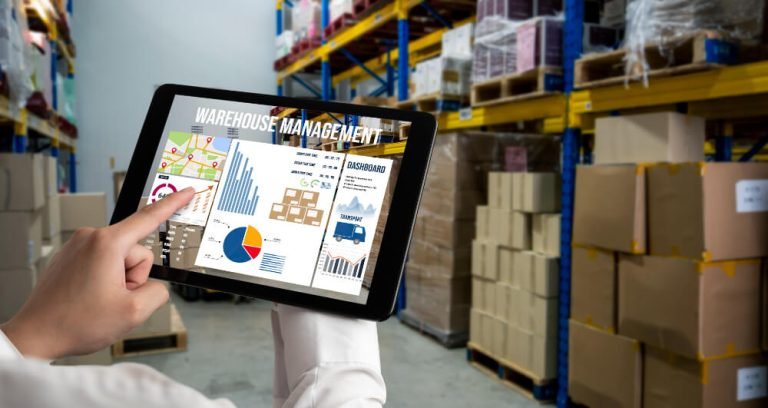
Warehouse management is a critical link in the supply chain, ensuring the timely flow of goods from suppliers to customers. Warehouses serve as strategic hubs for storing raw materials, work-in-progress inventory, and finished goods. However, the increasing complexity of modern supply chains necessitates advanced tools and techniques to optimize warehouse operations.
Traditionally, warehouses were seen as static, manual operations, often plagued by inefficiencies like overstocking, understocking, and slow order fulfilment. However, the advent of big data analytics has transformed these spaces into dynamic, data-driven hubs of efficiency.
By harnessing the power of data, warehouses can now gain real-time insights into their operations, optimize inventory management, streamline order processing, and enhance overall productivity. This data-driven approach empowers businesses to make informed decisions, reduce costs, and improve customer satisfaction.
In this blog post, we will explore how data analytics can revolutionize warehouse management systems. We will delve into key areas such as inventory optimization, labour management, space utilization, and predictive maintenance. By leveraging the power of data, businesses can streamline their warehouse processes, reduce costs, and enhance customer satisfaction.
Key areas where data analytics can significantly impact WMS:
- Inventory Optimization:
Data analytics empowers warehouse managers to fine-tune inventory levels with precision. By leveraging advanced forecasting techniques, businesses can accurately predict future demand, ensuring optimal stock levels. This proactive approach mitigates the risks of both stockouts and excess inventory, which can significantly impact operational costs and customer satisfaction.
Furthermore, inventory turnover analysis helps identify slow-moving and fast-moving items, enabling targeted inventory management strategies. By prioritizing the management of high-value items, warehouse managers can allocate resources effectively and reduce the risk of losses due to obsolescence or damage.
ABC analysis, a popular inventory categorization technique, further refines inventory management. By classifying items into three categories based on their value and usage, businesses can focus their attention on the most critical items. This enables efficient allocation of resources and ensures that high-value items are managed with utmost care.
- Labor Management:
By analyzing labour data, warehouse managers can optimize workforce utilization. Labor productivity analysis helps identify areas for improvement, such as training needs or process inefficiencies. By pinpointing bottlenecks and inefficiencies, businesses can implement targeted solutions to enhance overall productivity.
Workforce scheduling optimization ensures efficient staffing levels, minimizing labour costs without compromising operational efficiency. By analyzing historical data and real-time demand patterns, businesses can create optimized schedules that align with workload fluctuations. Real-time task assignment further maximizes worker productivity by assigning tasks based on skills and availability. This ensures that the right people are working on the right tasks at the right time, leading to increased efficiency and improved customer service.
- Warehouse Layout Optimization:
Effective space utilization is crucial for efficient warehouse operations. Space utilization analysis helps identify underutilized areas and optimize the warehouse layout. By analyzing the flow of goods and identifying bottlenecks, warehouse managers can make data-driven decisions to improve the overall layout and streamline operations.
Simulation modelling allows managers to experiment with different configurations virtually, enabling them to identify the most efficient layout to maximize storage capacity and minimize travel distances. By simulating various scenarios, businesses can assess the impact of different layout changes on operational efficiency and make informed decisions.
- Predictive Maintenance:
Predictive maintenance is essential for maximizing equipment uptime. By analyzing historical data and real-time sensor data, equipment failure prediction enables proactive maintenance, preventing unexpected breakdowns. This reduces downtime, minimizes disruptions to warehouse operations, and extends the lifespan of valuable equipment. By scheduling maintenance tasks strategically, businesses can optimize resource allocation and avoid costly emergency repairs. This proactive approach ensures smooth operations, enhances productivity, and improves overall operational efficiency.
Data-Driven Warehouse Management: The Future of Logistics
Data-driven insights are revolutionizing warehousing, enabling businesses to make informed decisions, streamline processes, and achieve operational excellence. For instance, Amazon leverages data analytics to optimize its vast network of warehouses, predicting demand, optimizing inventory levels, and streamlining the picking and packing process.
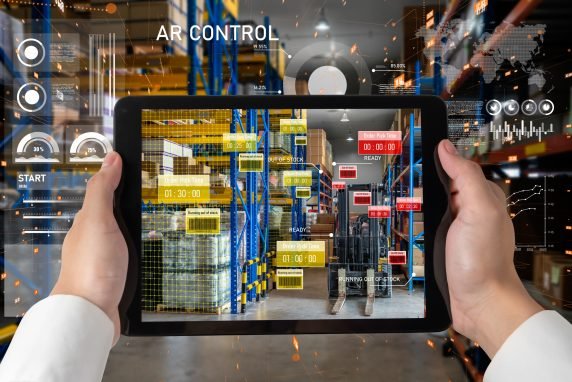
From predictive analytics to real-time insights, data-driven decision-making is the key to unlocking the full potential of warehouse management systems. By analyzing historical data, businesses can forecast future demand, identify trends, and make informed decisions about inventory levels, staffing requirements, and space utilization. Real-time data from IoT devices and sensors can provide up-to-the-minute insights into warehouse operations, enabling businesses to respond quickly to changes in demand and optimize workflows.
The integration of AI & ML further enhances the capabilities of data-driven warehousing. AI-powered algorithms can automate routine tasks, optimize routing, and improve the accuracy of inventory management. By embracing data-driven technologies, warehouses can become more efficient, agile, and responsive to the evolving needs of the modern supply chain.
Take the Next Step Toward Warehouse Excellence
As technology continues to evolve, the role of data analytics in warehouse management will only grow in importance. By embracing data-driven insights, businesses can achieve greater efficiency, agility, and profitability. From predictive analytics to real-time insights, data-driven decision-making is the key to unlocking the full potential of warehouse management systems.
By analyzing historical data, businesses can forecast future demand, identify trends, and make informed decisions about inventory levels, staffing requirements, and space utilization. Real-time data from IoT devices and sensors can provide up-to-the-minute insights into warehouse operations, enabling businesses to respond quickly to changes in demand and optimize workflows.
The integration of AI & ML further enhances the capabilities of data-driven warehousing. AI-powered algorithms can automate routine tasks, optimize routing, and improve the accuracy of inventory management. By embracing data-driven technologies, warehouses can become more efficient, agile, and responsive to the evolving needs of the modern supply chain.
ARi, a leading provider of Digital Transformation Services, is committed to helping organizations unlock the full potential of data analytics and drive innovation in warehouse management. With our expertise in data analytics, AI, and ML, we can help you transform your warehouse operations and achieve sustainable growth.Take the next step towards warehouse excellence. Contact ARi today to learn how we can help you leverage the power of data to optimize your supply chain.