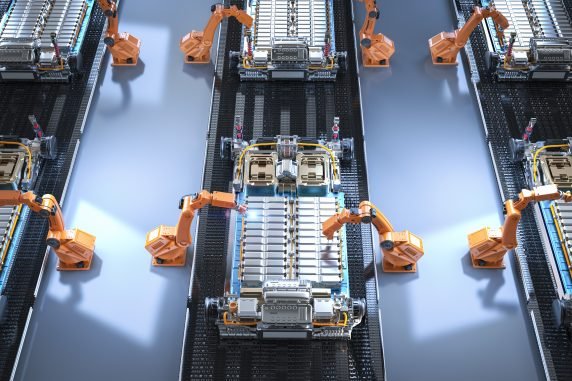
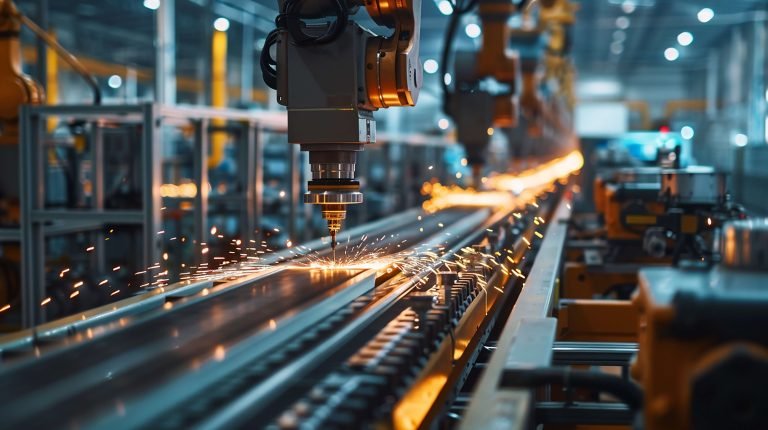
The manufacturing industry is undergoing a seismic shift, driven by the relentless pursuit of efficiency, quality, and sustainability. At the core of this transformation lies tool design, a critical function that directly impacts on output, product quality, and operational costs. As global competition intensifies and consumer demands evolve, the pressure to innovate in tooling has never been greater.
In this blog, we delve into the top 10 groundbreaking advancements in tool design that are reshaping the manufacturing landscape. From advanced materials and additive manufacturing engineering techniques to AI-powered optimization and digital twins, we explore how these innovations are empowering manufacturers to achieve new heights of performance and efficiency.
1. Advanced Materials Integration: The integration of advanced materials is reshaping tool design. From high-speed steels with enhanced toughness to wear-resistant ceramics and lightweight composites, these materials significantly boost tool performance.
For instance, diamond-like carbon coatings are increasing tool life and precision in machining operations. By carefully selecting and applying these materials, manufacturers can optimize tool durability, productivity, and overall efficiency while reducing downtime and costs.
2. Additive Manufacturing Impact: Additive manufacturing engineering, or 3D printing, is revolutionizing tool production. This technology allows for the creation of complex tool geometries that were previously impossible with traditional methods. It also enables rapid prototyping, customization, and on-demand production.
For example, 3D printed tooling can be used to create intricate molds for plastic injection molding or specialized jigs and fixtures. This flexibility accelerates time-to-market, reduces lead times, and opens new possibilities for product design optimisation and manufacturing.
3. Digital Twin Technology: Digital twin technology is creating virtual replicas of physical tools, providing valuable insights into their performance and behaviour. By simulating various operating conditions and analysing data, manufacturers can optimize tool design, predict failures, and implement preventive maintenance. This technology enhances tool lifespan, reduces unplanned downtime, and improves overall equipment effectiveness.
For example, a digital twin of a cutting tool can be used to simulate different cutting parameters and identify optimal settings for maximum material removal rate and tool life.
4. AI-Driven Tool Optimization: Artificial intelligence is revolutionizing tool design and selection. Machine learning algorithms analyze vast amounts of data on tool performance, material properties, and process parameters to optimize tool geometry, coatings, and materials. AI-powered systems can predict tool life, identify potential failures, and recommend optimal cutting conditions. This leads to improved tool performance, reduced costs, and increased productivity.
For example, AI can analyze sensor data from cutting tools to identify patterns indicating impending failure, allowing for proactive tool replacement.
5. Sensor Integration for Real-Time Monitoring: Embedding sensors into tools provides real-time data on temperature, vibration, force, and other critical parameters. This information enables predictive maintenance by detecting anomalies that signal potential tool failure. Additionally, real-time monitoring optimizes tool performance by adjusting cutting parameters based on actual conditions.
For instance, sensors can measure tool wear and automatically compensate for changes in tool geometry, ensuring consistent part quality. This data-driven approach minimizes downtime, extends tool life, and improves overall process efficiency.
6. Modular Tooling Concepts: Modular tooling systems offer flexibility and adaptability to meet changing production requirements. These systems consist of interchangeable components that can be configured to create various tool assemblies. This approach reduces tooling costs, inventory, and setup times. Modular tools are also easier to maintain and repair, as individual components can be replaced without replacing the entire tool.
For example, a modular drilling system allows for quick changes in drill diameter, length, and advanced geometry, enabling efficient production of different part sizes and materials.
7. Sustainable Tool Design: Sustainability is becoming a critical factor in tool design. Manufacturers are increasingly adopting eco-friendly materials and processes to reduce environmental impact. This includes using recycled materials, minimizing waste, and optimizing energy consumption.
For example, developing tools with longer lifespans reduces the need for frequent replacements, conserving resources. Additionally, using biodegradable cutting fluids and water-based coolants minimizes harmful emissions. By incorporating sustainable practices, manufacturers can contribute to a greener future while maintaining productivity and competitiveness.
8. Augmented Reality in Tool Design: Augmented reality (AR) is transforming tool design and collaboration. By overlaying digital transformation information onto the real world, AR enhances visualization and communication. Engineers can use AR to visualize tool designs in 3D, identify potential issues, and make real-time adjustments. AR also facilitates remote collaboration, allowing teams in different locations to work together on tool development.
For instance, AR can be used to guide technicians through complex tool assembly or maintenance procedures, reducing errors and improving efficiency.
9. Cobot Collaboration: The synergy between humans and robots, or cobots, is reshaping tool design and operation. Cobots are collaborative robots designed to work safely alongside humans, performing repetitive or physically demanding tasks. They can assist in tool handling, loading and unloading machines, and quality inspection. This collaboration enhances productivity, reduces ergonomic risks, and frees up human workers for more complex tasks.
For example, cobots can be used to load and unload cutting tools in a CNC machine, while human operators monitor the process and perform tool changes.
10. Data Analytics for Tool Performance: Data analytics is unlocking the potential for optimizing tool life and productivity. By collecting and analyzing data from sensors, machines, and tools, manufacturers gain valuable insights into tool performance, wear patterns, and failure modes. This information helps identify areas for improvement, predict maintenance needs, and optimize cutting parameters.
For example, by analyzing tool vibration data, engineers can detect early signs of wear and adjust cutting conditions to extend tool life. This data-driven approach leads to increased efficiency, reduced downtime, and improved overall equipment effectiveness.
By understanding these innovations, manufacturers can unlock new possibilities, boost productivity, and stay ahead of the curve.
Keep up with the trends with ARi’s comprehensive solutions:
The manufacturing engineering industry is on the cusp of a new era, driven by groundbreaking advancements in tool design. By embracing these innovations, manufacturers can unlock unprecedented levels of productivity, efficiency, and sustainability. To stay ahead of the curve, it’s essential to partner with a forward-thinking organizationOur team of experts specializes in advanced tool design and engineering services. Contact us today to explore how we can help you achieve your goals.