
The manufacturing landscape is undergoing a radical transformation. Driven by the converging forces of technological advancements and growing environmental consciousness, a new paradigm is emerging: Sustainable Smart Manufacturing. This approach integrates cutting-edge digital technologies with environmentally responsible practices to create a manufacturing ecosystem that is not only efficient and productive but also minimizes its environmental footprint. It’s a crucial evolution, as manufacturers face increasing pressure to optimize operations while simultaneously addressing the urgent need for sustainability.
What is Sustainable Smart Manufacturing?
Sustainable smart manufacturing is more than just automating processes or implementing green initiatives. It’s a holistic approach that leverages the power of Industry 4.0 technologies – like the Internet of Things (IoT), artificial intelligence (AI), cloud computing, and additive manufacturing – to create a connected, data-driven, and resource-efficient manufacturing environment. It’s about optimizing the entire value chain, from design and production to distribution and end-of-life management, with sustainability at its core.
Key elements of sustainable smart manufacturing include:
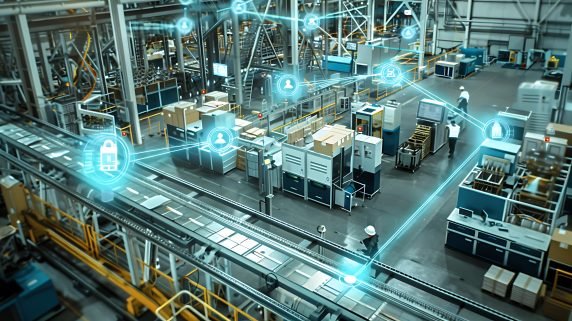
- Real-time Data and Analytics: IoT sensors embedded throughout the manufacturing process collect vast amounts of data on energy consumption, resource utilization, production yields, and waste generation. AI and analytics tools process this data to identify patterns, optimize processes, and predict potential issues.
- Predictive Maintenance: AI-powered predictive maintenance systems analyze machine data to predict when maintenance is required, minimizing downtime and extending the lifespan of equipment. This reduces waste associated with premature replacements and inefficient operations.
- Resource Optimization: Smart manufacturing systems optimize the use of resources like energy, water, and raw materials. AI algorithms can identify areas where consumption can be reduced, and automated systems can implement these optimizations in real time.
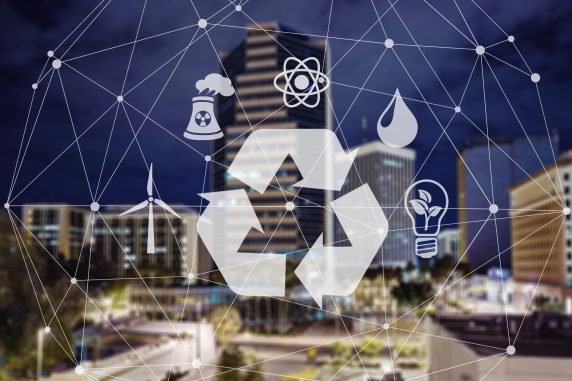
- Circular Economy Principles: Sustainable smart manufacturing embraces circular economy principles by designing products for recyclability, reuse, and remanufacturing. Digital technologies enable tracking and tracing of materials throughout their lifecycle, facilitating closed-loop systems.
- Lean Manufacturing and Waste Reduction: Smart manufacturing technologies enhance lean manufacturing practices by identifying and eliminating waste in all its forms, from material waste and energy waste to time waste and transportation waste.
- Supply Chain Sustainability: Sustainable smart manufacturing extends beyond the factory walls to encompass the entire supply chain. Companies are using digital technologies to track the environmental impact of their suppliers and collaborate with them to improve sustainability performance.
- Digital Twin Technology: Creating digital twins of physical assets and processes allows manufacturers to simulate different scenarios and optimize operations before implementing changes in the real world. This minimizes the risk of errors and reduces the need for physical prototypes, saving resources and reducing waste.
- Additive Manufacturing (3D Printing): Additive manufacturing enables on-demand production, reducing material waste and allowing for the creation of customized products with optimized designs for resource efficiency.
- Cloud Computing: Cloud-based platforms provide access to data and analytics tools, enabling collaboration and information sharing across the supply chain and facilitating remote monitoring and control of manufacturing operations.
How sustainable smart manufacturing significantly drives efficiency in several ways:
- Increased Productivity: Optimized processes, reduced downtime, and improved resource utilization lead to higher production output and increased overall efficiency.
- Reduced Costs: By minimizing waste, optimizing resource consumption, and improving maintenance practices, manufacturers can significantly reduce operational costs.
- Improved Quality: Data-driven insights and process optimization lead to higher product quality and fewer defects, reducing waste and improving customer satisfaction.
- Faster Time to Market: Streamlined processes and improved collaboration across the supply chain can shorten product development cycles and accelerate time to market.
How sustainable smart manufacturing plays a crucial role in reduces waste across the entire manufacturing lifecycle:
- Material Waste Reduction: Optimized designs, efficient production processes, and the use of additive manufacturing minimize material waste.
- Energy Waste Reduction: Real-time monitoring and control of energy consumption, along with the use of energy-efficient technologies, reduce energy waste.
- Water Waste Reduction: Smart manufacturing systems can monitor and optimize water usage in manufacturing processes, reducing water waste.
- Waste Reduction through Predictive Maintenance: Predictive maintenance minimizes waste associated with equipment failures and premature replacements.
- Waste Reduction through Circular Economy: Embracing circular economy principles reduces waste by designing products for reuse, recycling, and remanufacturing.
Benefits of Sustainable Smart Manufacturing:
The benefits of sustainable smart manufacturing extend beyond cost savings and efficiency improvements. They include:
- Environmental Sustainability: Reduced environmental impact through lower resource consumption, reduced emissions, and minimized waste generation.
- Enhanced Brand Reputation: Consumers are increasingly demanding sustainable products and practices. Companies that embrace sustainable manufacturing can enhance their brand reputation and attract environmentally conscious customers.
- Improved Regulatory Compliance: Sustainable manufacturing practices help companies comply with environmental regulations and avoid penalties.
- Increased Innovation: The focus on sustainability can drive innovation in product design, process development, and business models.
- Stronger Stakeholder Relationships: Sustainable manufacturing practices can improve relationships with stakeholders, including customers, suppliers, investors, and communities.
Challenges and Opportunities:
While the benefits of sustainable smart manufacturing are clear, there are also challenges to overcome:
- Investment Costs: Implementing smart manufacturing technologies can require significant upfront investment.
- Data Security and Privacy: Connecting manufacturing systems and sharing data across the supply chain raises concerns about data security and privacy.
- Skills Gap: The transition to smart manufacturing requires a skilled workforce capable of working with advanced technologies.
- Integration Complexity: Integrating different systems and technologies can be complex and challenging.
Despite these challenges, the opportunities presented by sustainable smart manufacturing are immense. By embracing this approach, manufacturers can not only improve their own operations but also contribute to a more sustainable and circular economy.
The Future of Sustainable Smart Manufacturing:
The future of sustainable smart manufacturing is promising. As technologies continue to advance and environmental concerns become more urgent, we can expect to see:
- Increased adoption of AI and ML: AI and ML will play an even greater role in optimizing manufacturing processes and driving sustainability.
- Greater integration across the supply chain: Seamless integration across the supply chain will enable end-to-end sustainability management.
- Focus on lifecycle assessment: Manufacturers will increasingly focus on assessing the environmental impact of their products throughout their entire lifecycle.
- Development of new sustainable materials and processes: Innovation in materials science and manufacturing processes will lead to more sustainable production methods.
Conclusion:
Sustainable smart manufacturing is not just a trend; it’s the future of manufacturing. By embracing this approach, manufacturers can achieve significant gains in efficiency, reduce waste, and improve their environmental performance. It’s a win-win situation, benefiting both businesses and the planet. As technology continues to evolve, and sustainability becomes even more critical, sustainable smart manufacturing will play a pivotal role in shaping the future of industry. Partner with ARi to navigate the complexities of sustainable smart manufacturing and implement solutions that drive both business value and environmental responsibility.