What is Industry 4.0?
Industry 4.0 is a term for the fourth industrial revolution, which is characterized by the fusion of technologies that blur the lines between the physical, digital, and biological spheres.
Industry 4.0 is driven by key technologies like the Internet of Things (IoT), Artificial Intelligence (AI), Big Data, Cloud Computing, and Robotics. These technologies enable greater connectivity, automation, and intelligence in manufacturing processes, increasing efficiency, productivity, and customization.
However, while Industry 4.0 focused on efficiency and automation, it sometimes neglected the human element. This led to concerns about job displacement and the de-skilling of the workforce.
To address these concerns, there is a growing movement towards Industry 5.0. This approach recognizes that smart factories still need people at their core. Industry 5.0 aims to balance technology and human skills, using automation for repetitive tasks and freeing people to focus on more complex and creative work.
By combining the best of technology and human ingenuity, Industry 5.0 can lead to:
- Increased personalization: Products and services can be tailored to individual needs and preferences
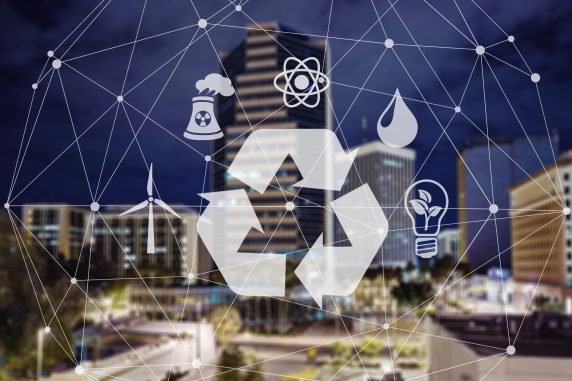
- Greater sustainability: Production processes can be more environmentally friendly and resource efficient
- Improved resiliency: Businesses can become more adaptable to change and disruptions
Industry 5.0 is about putting people back at the heart of industrial production. By harnessing the power of both technology and human skills, we can create a more sustainable, efficient, and fulfilling future for manufacturing.
Where Technology Meets Production: Industry 4.0 Technologies:
Connectivity, automation, and optimization continue to drive the digital transformation of Industry 4.0. While new technologies within smart factories are essential, realizing the full potential of Manufacturing 4.0 and the Human-Machine Interface (HMI) promise of Industry 5.0 requires a seamless integration of people and technology. The industrial metaverse serves as a critical enabler for this harmonious collaboration.
The metaverse encompasses three categories: consumer, commercial, and industrial. The industrial metaverse bridges the physical and digital worlds, providing manufacturers with a platform to design, build, and operate their processes. By leveraging sensors to gather data and processing it in large-scale repositories, manufacturers can create digital twins, accurate virtual representations of their manufacturing processes, supply chains, products, or logistics operations.
These digital twins offer numerous benefits:
- Enhanced collaboration: Everyone from line workers to department heads can design and test concepts before they’re built
- Optimized production: Manufacturers can optimize product creation across production lines
- Real-time insights: Real-time operational outputs and simulations provide valuable insights
- Increased efficiency: Digital representations enable better predictability, reliability, and reduce downtime and energy costs
By fostering collaboration between people and technology, it enables manufacturers to optimize their operations, improve efficiency, and drive innovation.
Here are some of the key manufacturing technologies driving Industry 4.0:
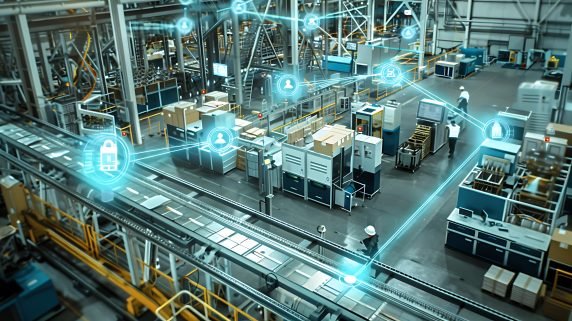
- The Internet of Things (IoT) is connecting machines, equipment, and systems, enabling seamless communication and data exchange. IoT sensors collect real-time data on various parameters, providing valuable insights for process optimization and remote monitoring. This connectivity empowers manufacturers to proactively maintain their equipment and troubleshoot issues, reducing downtime and improving overall efficiency.
- Artificial Intelligence (AI) is another crucial component of Industry 4.0. AI algorithms can analyze historical data to predict equipment failures, enabling proactive maintenance and reducing downtime. Additionally, AI-powered vision systems can inspect products for defects with high accuracy, ensuring that quality standards are met. By optimizing manufacturing processes and improving quality control, AI is driving significant improvements in productivity and efficiency.
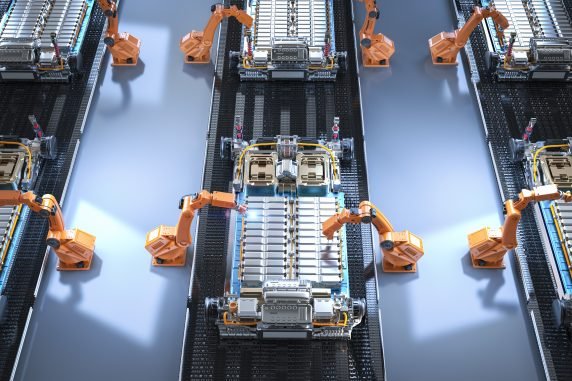
- Robotics is playing an increasingly important role in modern manufacturing. Robots can automate repetitive and hazardous tasks, increasing efficiency and safety. Collaborative robots or cobots, can work alongside human operators, enhancing productivity and flexibility. The precision and accuracy of robots contribute to improved product quality and reduced defects.
- Additive Manufacturing (3D Printing) is revolutionizing the way products are designed and produced. 3D printing enables the production of highly customized products on demand, accelerating product development cycles. It can also produce complex geometries that are difficult or impossible to create using traditional manufacturing methods.
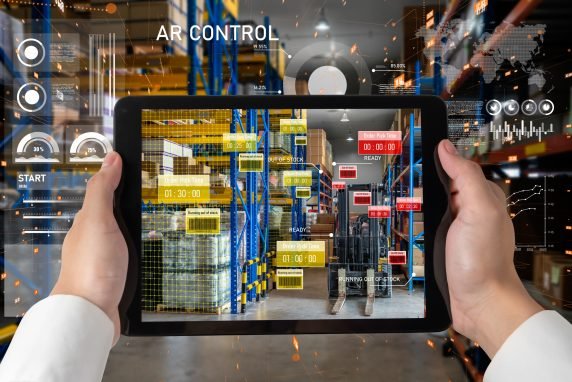
- Augmented and Virtual Reality (AR/VR) are further enhancing the capabilities of Industry 4.0. AR/VR can be used to provide immersive training experiences for workers, improving skill development and safety. Designers can also use AR/VR to visualize products in 3D, facilitating better decision-making. Additionally, AR/VR it can enable remote experts to assist workers on the factory floor, providing real-time guidance and support.
The Transformative Power of Industry 4.0
Industry 4.0, the convergence of technologies that is blurring the lines between the physical, digital, and biological spheres, is having a profound impact on our global economies. As Microsoft COO Judson Althoff noted, the key benefit of Industry 4.0 and the industrial metaverse is the ability to build better products more effectively, efficiently, sustainably, and with lower environmental impact.
A study by McKinsey found that companies adopting Industry 4.0 digital transformation saw significant improvements in key performance indicators (KPIs) related to sustainability, productivity, agility, speed to market, and customization.
Here are six of the most notable benefits manufacturers can expect from Industry 4.0:
- Increased Efficiency and Productivity: Industry 4.0 technologies, such as sensors, IoT, AI, digital twins, and automation, work together to optimize manufacturing processes. This leads to increased efficiency, productivity, and reduced downtime through data-driven decision-making, predictive maintenance, and real-time yield optimization.
The benefits of optimized processes include:
- Increased revenue
- Improved customer service
- Personalized attention
- Fast service
- Greater Asset Utilization: Industry 4.0 enables greater flexibility and asset utilization, leading to potential revenue increases. For example, autonomous mobile robots (AMRs) can handle menial tasks, freeing up skilled workers for more valuable activities.
- Higher Labor Productivity: A safer work environment, enabled by IoT solutions and worker safety monitoring, can lead to increased employee morale, focus, and productivity. Additionally, Industry 4.0 technologies are expanding the skills repertoire of manufacturing workers, enabling them to learn new skills and contribute to operational efficiency.
- Supply Chain Visibility: IoT-enabled sensors and data analytics provide manufacturers with real-time visibility into their entire supply chain and production process. This enables supply chain optimization, reducing uncertainties, and minimizing environmental impacts.
- Enhanced Customer Experience: Industry 4.0 technologies, such as predictive analytics, virtual reality, and remote monitoring, can be used to improve after-sales service. Connected equipment allows manufacturers to monitor product performance, schedule maintenance, and prevent customer dissatisfaction.
- Improved Safety and Sustainability: The digital nature of Industry 4.0, including the use of digital twins and cloud-based simulations, can significantly reduce the carbon footprint and environmental impact of manufacturing operations. By optimizing processes and minimizing waste, manufacturers can contribute to a more sustainable future.
Conquering the Barriers to Industry 4.0
Despite the numerous benefits of Industry 4.0, several barriers can hinder its adoption by organizations. These barriers include:
1. Technological Challenges:
- Complexity: Implementing Industry 4.0 technologies can be complex and require significant technical expertise.
- Interoperability: Ensuring seamless integration between different technologies and systems can be challenging.
- Cybersecurity: Protecting sensitive data and systems from cyber threats is a major concern.
2. Financial Constraints:
- Investment: Implementing Industry 4.0 technologies requires significant upfront investments in hardware, software, and training.
- ROI: Quantifying the return on investment (ROI) of Industry 4.0 initiatives can be difficult.
3. Organizational Challenges:
- Resistance to Change: Employees may resist changes to their work processes and job roles.
- Data Quality: Ensuring the quality and reliability of data is crucial for successful Industry 4.0 implementation.
- Talent Gap: There may be a shortage of skilled workers with the expertise needed to implement and manage Industry 4.0 technologies.
4. Regulatory and Compliance Challenges:
- Data Privacy: Compliance with data privacy regulations, such as GDPR, can be complex and costly.
- Industry Standards: Lack of standardized protocols and frameworks can hinder interoperability and scalability.
5. External Factors:
- Supply Chain Disruptions: Disruptions in the supply chain can impact the implementation and operation of Industry 4.0 technologies.
- Economic Uncertainty: Economic downturns can reduce investment in Industry 4.0 initiatives.
Your Journey to Industry 4.0 Starts Here
As the manufacturing landscape continues to evolve, manufacturers must embrace the transformative power of Industry 4.0. By leveraging the key technologies and strategies outlined in this blog, manufacturers can overcome challenges, optimize their operations, and position themselves for long-term success.
Our data-first approach, combined with our expertise in digital transformation, enables us to help manufacturers:
- Assess their readiness for Industry 4.0
- Develop tailored strategies for implementing new technologies
- Optimize business processes for increased efficiency and productivity
- Leverage data for valuable insights and decision-making
- Deliver business outcomes through innovative applications
Embark on the Industry 4.0 journey with Ari’s expert manufacturing engineering services. Our team of experienced professionals can help you navigate the complexities of digital transformation, optimize your manufacturing processes, and unlock the full potential of Industry 4.0 technologies. With our comprehensive solutions, you can achieve greater efficiency, improve product quality, enhance customer satisfaction, and gain a competitive edge in today’s rapidly evolving market.
Connect with us today to learn more about how ARi can help you drive your business forward.