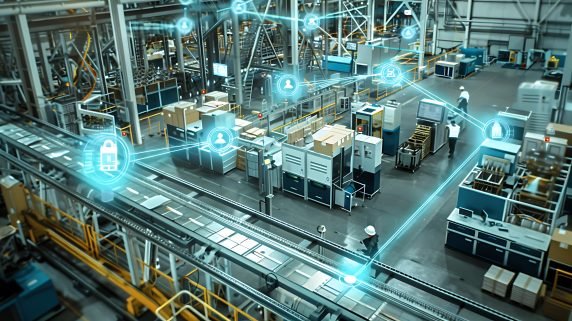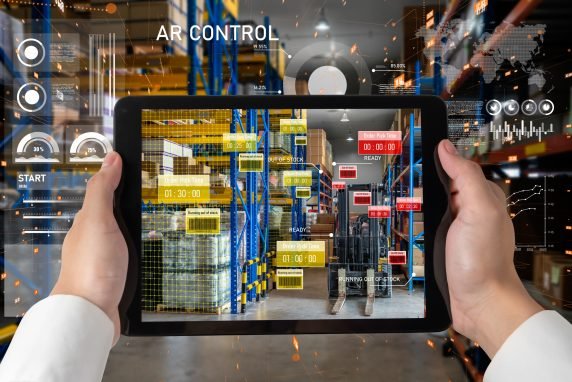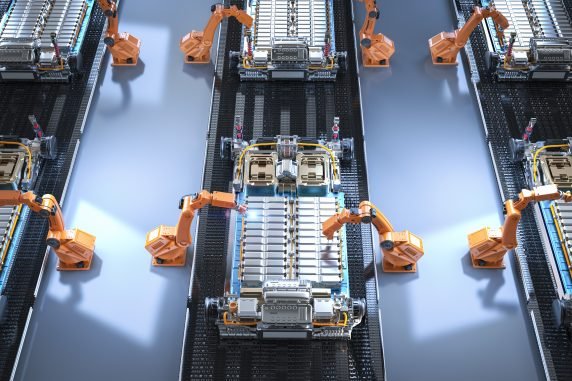
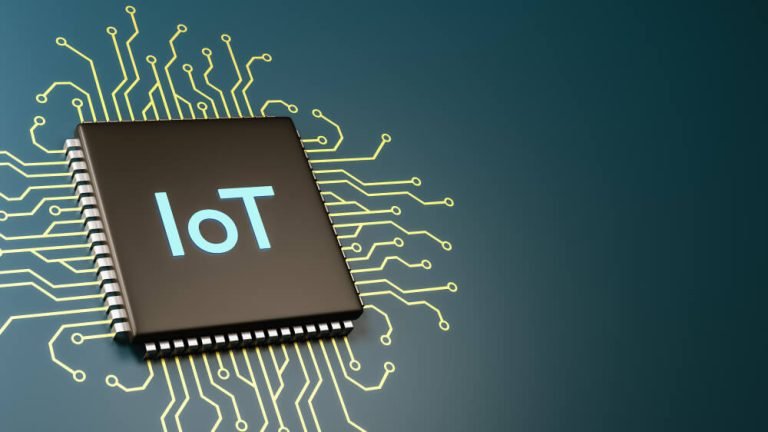
The Internet of Things (IoT) revolutionizes industries by connecting physical devices to the digital world. At the heart of this revolution lies the embedded system, a specialized computer system designed to perform specific tasks within a larger system. These intelligent devices, equipped with sensors and connectivity, enable seamless communication and data exchange, unlocking various possibilities across various sectors.
In this blog, we’ll delve into the critical role of embedded systems in powering the IoT.
Understanding Embedded Systems
Embedded systems are the brains behind countless devices, from smartphones to industrial machinery. They are specialized computer systems designed to perform specific tasks within larger systems.
At the heart of an embedded system lies a microprocessor, the device’s “brain,” responsible for processing information. Memory, input/output interfaces, and a real-time operating system (RTOS) work in tandem to ensure the system functions efficiently and reliably.
Key Features of Embedded Systems in IoT
Embedded systems are the backbone of IoT devices, enabling them to collect, process, and transmit data efficiently. To fulfil these roles, they possess several crucial features:
- Real-time Processing: Embedded software must respond to events promptly. This is crucial in applications like autonomous vehicles or industrial automation, where split-second decisions can have significant consequences.
- Low Power Consumption: Many IoT devices are battery-powered, so energy efficiency is paramount. Embedded software is designed to minimize power consumption, extend battery life, and reduce maintenance requirements.
- Security: Protecting sensitive data is essential in IoT. Embedded software employs robust security measures, such as encryption and authentication, to safeguard against cyber threats.
- Reliability: IoT devices often operate in harsh environments and must be reliable. Embedded systems are designed to withstand extreme conditions and minimize downtime.
- Connectivity: Embedded software enables IoT devices to communicate with other devices and networks. This connectivity is essential for data sharing, remote control, and updates.
Challenges and Considerations in Embedded Systems
While embedded systems offer immense potential, they also present several challenges:
- Miniaturization: As IoT devices become smaller and more compact, so must the embedded systems that power them. Designing and manufacturing these tiny devices requires advanced techniques and materials.
- Power Efficiency: To extend battery life and reduce environmental impact, embedded systems must be highly energy efficient. This requires careful optimization of hardware and software.
- Security Risks: IoT devices are often connected to the internet, making them vulnerable to cyberattacks. Strong security measures, such as encryption and secure boot processes, are essential to protect sensitive data.
- Regulatory Compliance: Embedded systems must comply with various industry standards and regulations, such as FCC, CE, and RoHS. Adhering to these standards can be complex and time-consuming.
Future Trends: Shaping the Future of Embedded Systems
The future of embedded systems is poised for significant advancements, driven by emerging technologies and evolving industry needs. Here are some key trends that will shape the landscape:
- AI and ML: Intelligent Edge Devices
By integrating AI and ML capabilities directly into embedded systems, we can unlock a new era of intelligent edge devices. These systems will be capable of making real-time decisions, adapting to changing conditions, and optimizing performance. This will lead to more autonomous and responsive devices, revolutionizing industries like healthcare, automotive, and manufacturing.
- Edge Computing: Empowering the Edge
Edge computing is emerging as a critical paradigm, enabling data processing and analysis closer to the source. This reduces latency, enhances privacy, and improves system responsiveness. Embedded systems will play a pivotal role in edge computing, acting as intelligent gateways to collect, process, and transmit data locally.
- 5G and Beyond: The Next Generation of Connectivity
The advent of 5G and subsequent generations of wireless technology will usher in a new era of high-speed, low-latency connectivity. Embedded systems will leverage these advancements to enable real-time data exchange, remote control, and advanced IoT applications. This will drive innovation in areas such as autonomous vehicles, smart cities, and industrial automation.
As these trends converge, embedded systems will become increasingly sophisticated and versatile. By embracing innovation and addressing emerging challenges, we can unlock the full potential of embedded systems and shape a future where technology seamlessly integrates with our lives.
Conclusion:
In Conclusion: The Indispensable Role of Embedded Systems in Modern IoT
Embedded systems are the unsung heroes of the IoT revolution. These specialized computer systems, designed to perform specific tasks within larger devices, are the brains behind countless IoT applications. From smart homes and wearables to industrial automation and autonomous vehicles, embedded systems are the connective tissue that brings these technologies to life.
By seamlessly integrating hardware and software components, embedded systems enable devices to collect, process, and transmit data efficiently. This data-driven approach empowers organizations to make informed decisions, optimize operations, and enhance user experiences. Moreover, embedded systems play a crucial role in ensuring the security and reliability of IoT devices, safeguarding sensitive information and preventing unauthorized access.
As the IoT landscape continues to evolve, the demand for sophisticated embedded systems will only increase. By staying abreast of emerging technologies and industry trends, developers and engineers can create innovative solutions that drive digital transformation and shape the future of IoT.
ARi Embedded Engineering specializes in overcoming these challenges and delivering cutting-edge embedded solutions. Partner with us to unlock the power of IoT.