A factory running smoothly feels like everything is in perfect rhythm. But the moment a machine breaks down unexpectedly, that rhythm stops and the silence can be very costly. Unplanned downtime eats away at profits, costing manufacturers nearly $50 billion every year. In industries like semiconductors, even one hour of lost production can mean over $1 million in losses. The reality is machines will eventually fail; however, the real challenge is knowing when and being ready to prevent it.
That’s where AI-driven predictive maintenance (PdM) comes in. Instead of waiting for breakdowns or relying on rigid maintenance schedules, PdM uses data and intelligence to predict issues before they happen. It helps companies move from reacting to problems, to preventing them to keep operations smooth, efficient, and cost-effective.
Why Our Old Ways Don’t Work Anymore
For ages, manufacturers have been stuck between two main ways of handling maintenance, and honestly, neither one is perfect.
First, there’s reactive maintenance what most of us call the ‘fix it when it breaks’ method. Sure, it seems cheap upfront because you only pay when something goes wrong. But the real costs hit hard: massive bills from manufacturing downtime, frantic emergency repairs, potential safety hazards, and all that lost production. It’s a scramble.
Then we tried to be smarter with preventive maintenance. This is where you schedule fixes based on time or how much a machine has been used. It cuts down on unexpected meltdowns, which is great. The catch? You often end up doing maintenance that isn’t really needed, tossing out parts that still have plenty of life left, and basically throwing away time and money.
The truth is, neither of these really solves the core problem: how do we keep things running as much as possible without wasting precious resources? The flaws in these old ways really underscore why we desperately need something smarter or something that truly delivers on the promise of predictive maintenance benefits.
Here’s a quick comparison:
| Maintenance Type | Approach | Pros | Cons |
| Reactive | Fix it after it breaks | Low upfront cost | High downtime costs, safety risks |
| Preventive | Schedule based on time | Reduces unexpected failures | Can lead to unnecessary maintenance, parts waste |
| Predictive (AI-Driven) | Schedule based on actual condition | Maximizes uptime, optimizes parts & labor, extends asset life | Requires initial investment in tech and expertise |
Export to Sheets
How AI is Revolutionizing Predictive Maintenance
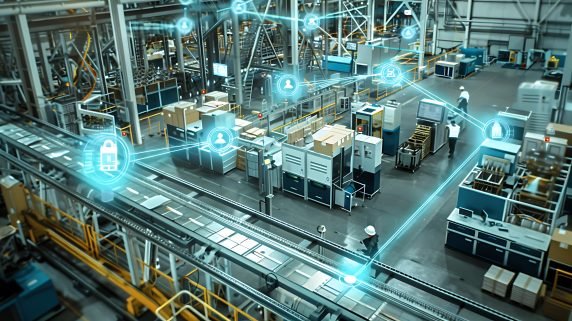
The magic behind modern PdM lies in the powerful synergy of IoT sensors, vast data sets, and advanced AI in predictive maintenance and machine learning algorithms. This trifecta allows for unprecedented accuracy in forecasting equipment failures.
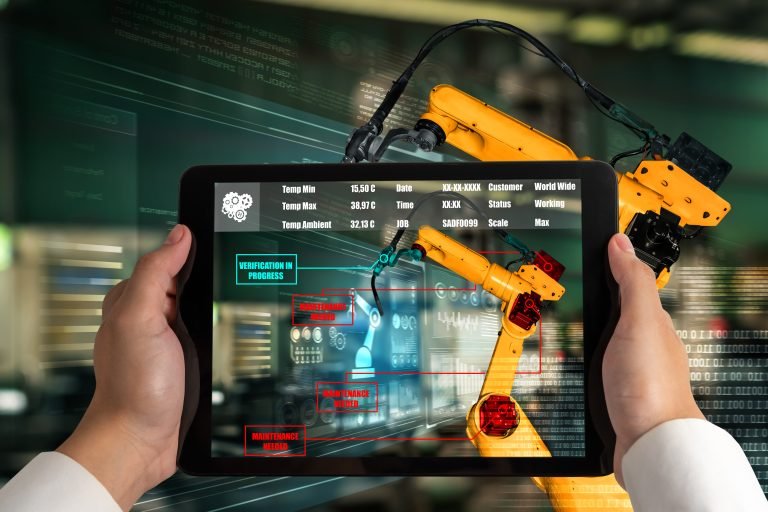
Imagine sensors continuously monitoring the pulse of your machinery vibration, temperature, acoustic patterns, power consumption, and more. This torrent of real-time operational data is fed into sophisticated machine learning manufacturing models. These algorithms learn the normal operating parameters and subtly detect deviations that signal impending trouble. The result? AI can boost failure prediction accuracy to an astounding up to 90%, giving maintenance teams weeks, not hours, of lead time.
Implementing this requires a strategic blend of sensor expertise and AI integration, a core part of ARi’s smart manufacturing solutions.
Real Benefits that you will see:
The true strength of AI-driven predictive maintenance isn’t just in smart technology — it’s in the real, measurable results businesses see every day. Here’s what companies already using it are experiencing:
- 25–30% lower maintenance costs → No more wasting money on unnecessary scheduled work or scrambling for expensive emergency fixes.
- 35–50% less unplanned downtime → Problems are spotted before they cause breakdowns, keeping production lines running smoothly.
- 10–15% higher production efficiency → When machines stay reliable, factories can get more output from the same equipment.
And the benefits don’t stop there. Fewer breakdowns mean less waste and smarter energy use, helping sustainability goals. A stronger, more reliable production line also means your business is better prepared to handle disruptions and meet customer demand with confidence.
The Tech That Makes Smart Predictions Possible (How ARi Connects It All)
At ARi, we believe the best way to keep your factory running is to see problems before they happen. That’s the power of AI-driven predictive maintenance. It’s not magic, it’s built on a few key pieces of technology that work together.
Here’s a plain-English look at how they work:
- Smart Sensors: These are the eyes and ears on your equipment. We use sensors that can feel a machine shaking too much, see if it’s running too hot, or even hear a strange noise it wasn’t making before. They gather the clues that tell us something might be about to go wrong.
- Digital Twins: Think of this as a virtual copy of your machine that lives inside a computer. It lets you run tests and try out different maintenance plans without ever touching the real equipment. It’s a safe way to experiment and find the best way to run your operations, often helping to drastically cut down on unexpected breakdowns.
- Smart Computing (Cloud & Edge): Some analysis needs the power of a supercomputer (the Cloud), which can spot deep patterns in years of past data. Other decisions need to be made in a split second right on the factory floor (the Edge), like stopping a machine if it becomes unsafe. We make sure the right kind of thinking happens in the right place.
- The Brain: AI Learning Models: This is the smart software that puts it all together. It learns from all the data the sensors collect, recognizes patterns, and gives you a heads-up often weeks in advance that a part might need replacing.
How to Get Started: Your Roadmap to Smarter Maintenance
Shifting to a predictive model doesn’t have to be overwhelming. Here’s a practical way to think about it:
- Start with What Matters Most: Focus on the machines that would cause the biggest disruption, safety issue, or expense if they stopped working.
- Listen Closely: Choose the right sensors to monitor the specific things that tend to go wrong with those critical machines.
- Bring the Data Together: Connect all those sensor feeds to a central system where the information can be stored and made sense of.
- Let the AI Learn: Train the software using your machine’s history and real-time data so it can start making accurate predictions.
- Take Action: The final step is making those predictions useful. The system should automatically help schedule a repair at the best possible time, turning an alert into a solved problem.
We know this journey can have bumps, like dealing with messy data or building new skills on your team. That’s where we come in. Our job is to be your guide and help you navigate these challenges successfully.
What’s Next? The Future of Maintenance
This technology keeps evolving, and the future looks exciting:
- Self-Healing Machines: The goal is for systems to not only diagnose an issue but also make simple adjustments or repairs on their own.
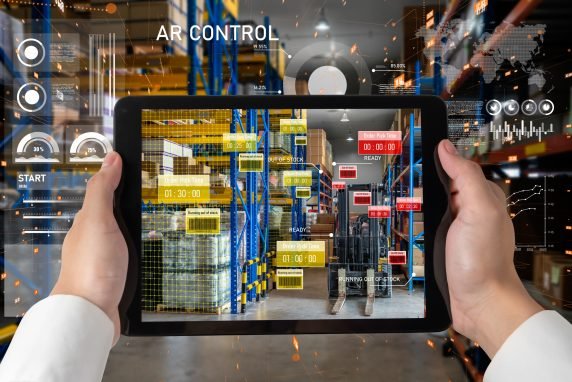
- AI Assistants for Technicians: Imagine a tech wearing a headset while looking at a machine. An AI could whisper suggestions, show them a repair guide, or highlight the problem part right in their field of view.
- People and AI, Working Together: The future isn’t about replacing people. It’s about teamwork. Let the AI handle the number-crunching and predictions, while your people provide the experience, creativity, and final decision-making. This creates a stronger, more responsive factory.
Building a Factory That’s Ready for Tomorrow
Predictive maintenance with AI is a real, proven way to stop fighting emergencies and start planning for success. It helps you avoid unplanned stops, save on repair costs, and get more out of your equipment.
By connecting smart sensors, digital copies, and intelligent software, you can finally see the future of your operations—and act on it.
Ready to see what this could look like for your plant? Let’s have a casual conversation. We can help you assess where you are and build a practical plan that makes sense for you.