Surviving and thriving in today’s aerospace landscape demands a commitment to digital transformation.
Why?
- Speed and efficiency are paramount: The aerospace industry demands rapid innovation and efficient production cycles.
- Supply chain uncertainty is a major challenge: Disruptions can severely impact production schedules and costs.
- Cutting-edge digital capabilities are essential for competitiveness: In a highly competitive global market, companies must leverage the latest technologies to maintain a competitive edge.
This post will explore practical applications of digital transformation within aerospace companies and delve deeper into the significant benefits that digital technology can offer.
Practical Applications of Digital Transformation
Digital transformation empowers aerospace companies in numerous ways. Data analytics provides valuable insights into operational performance, enabling predictive maintenance, optimizing supply chains, and improving aircraft design.
- AI algorithms can analyze vast datasets to identify potential risks, optimize flight routes, and personalize customer experiences.
- Cloud computing facilitates collaborative design, enables remote access to data and resources, and enhances data security.
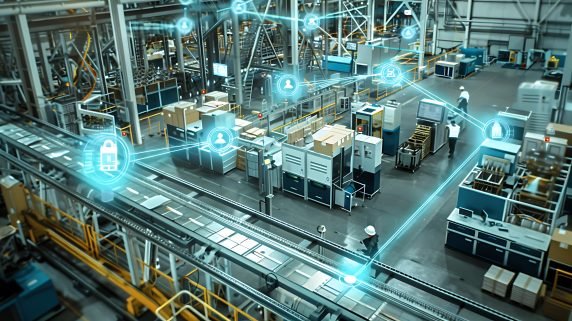
- IoT connects aircraft components, enabling real-time monitoring and predictive maintenance, improving safety and reducing downtime.
By embracing these technologies, aerospace companies can enhance efficiency, reduce costs, and gain a competitive edge in the global market.
Automation, Digitalization, and Robotics: Key Enablers for Aerospace Success
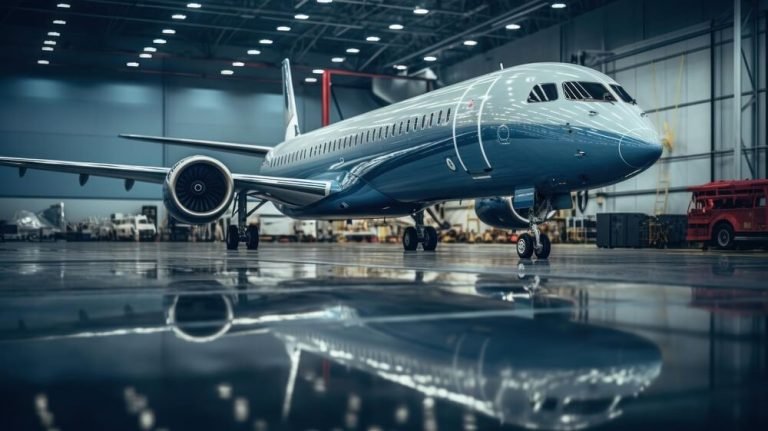
Increasing Complexity: Modern aircraft are highly complex, demanding advanced manufacturing and operational methods.
Urgency of Efficiency: Optimize production, reduce costs, and accelerate development cycles to meet market demands.
Digital Transformation: Leverage data analytics, AI, and cloud computing for seamless data flow and integration.
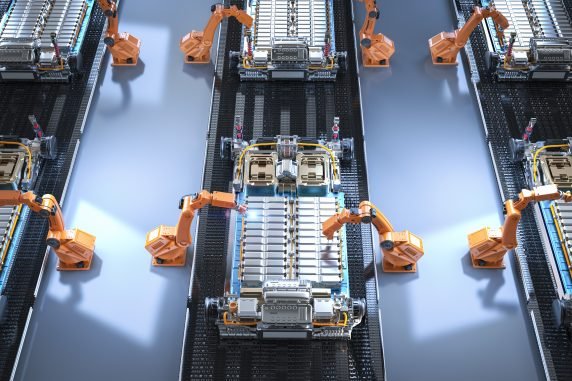
Power of Automation: Utilize robotics, AI-powered systems, and advanced manufacturing for increased precision, reduced errors, and improved safety.
Rise of Robotics: Embrace robots for manufacturing, assembly, inspection, and maintenance, including cobots and drones.
Benefits of Digital Transformation for Aerospace Manufacturers
Digital transformation and automation are no longer optional for aerospace manufacturers – they’re essential for survival and growth in today’s competitive landscape. Embracing these technologies empowers manufacturers with significant advantages across the entire value chain, from design and production to customer service and beyond. Let’s explore these benefits in more detail:
1. Enhanced Efficiency & Productivity:
- Streamlined Production Processes: Digital tools facilitate the integration of various production stages, from design and engineering to manufacturing and assembly. This seamless flow reduces bottlenecks, minimizes manual errors, and optimizes workflows for maximum efficiency.
- Reduced Downtime: Predictive maintenance, powered by IoT sensors and AI, allows manufacturers to anticipate equipment failures and schedule maintenance proactively. This minimizes unplanned downtime, keeps production lines running smoothly, and maximizes asset utilization.
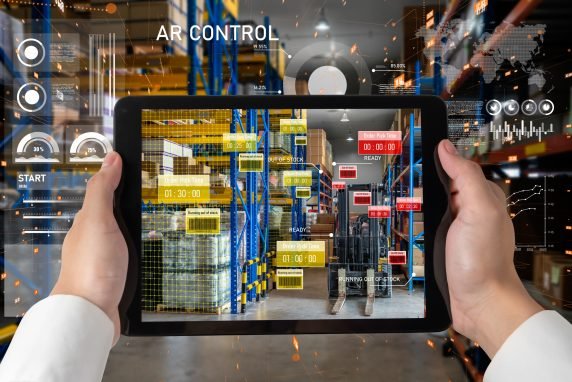
- Optimized Resource Allocation: Data analytics provides real-time insights into resource usage, enabling manufacturers to optimize workforce allocation, manage inventory levels effectively, and minimize waste. This leads to significant cost savings and improved resource productivity.
- Increased Automation: Implementing robotics and automated systems on the factory floor accelerates production speeds, improves precision, and reduces labor costs. Automation also enables manufacturers to handle complex tasks with greater efficiency and consistency.
2. Improved Product Quality & Reliability:
- Data-Driven Insights: Digital transformation enables the collection and analysis of vast amounts of data from various sources, including production equipment, quality control systems, and even customer feedback. These insights provide a deep understanding of product performance, identify potential defects early on, and facilitate continuous improvement.
- Predictive Maintenance: As mentioned above, predictive maintenance not only reduces downtime but also contributes to improved product quality. By identifying and addressing potential equipment issues before they impact production, manufacturers can prevent defects and ensure consistent product quality.
- Automated Quality Control: Automated quality control systems, using technologies like computer vision and machine learning, can detect even the smallest defects with greater accuracy and speed than manual inspection. This ensures higher product quality and reduces the risk of defective products reaching customers.
- Improved Design & Engineering: Digital tools like CAD/CAM software, simulation tools, and digital twins enable engineers to design and test products virtually before physical prototypes are built. This allows for faster iteration, optimization of designs for performance and manufacturability, and reduced development costs.
3. Increased Innovation & Agility:
- Accelerated R&D: Digital technologies like AI and ML can analyze vast amounts of data to identify trends, accelerate the development of new materials, and optimize designs for performance and efficiency. This fosters innovation and allows manufacturers to bring new products to market faster.
- Enhanced Collaboration: Digital platforms facilitate seamless collaboration between engineers, designers, and manufacturing teams, regardless of their location. This streamlines the design and development process, fosters knowledge sharing, and accelerates innovation.
- Agile Manufacturing: Digital transformation enables manufacturers to adapt quickly to changing market demands and customer requirements. Flexible production systems, powered by digital technologies, allow for rapid reconfiguration and production of customized products.
- New Business Models: Digital technologies open new possibilities for aerospace manufacturers, such as offering Product-as-a-Service (PaaS) or developing new revenue streams through data analytics and connected aircraft.
4. Enhanced Customer Satisfaction & Loyalty:
- Faster Delivery Times: Streamlined production processes, optimized logistics, and efficient supply chain management enable manufacturers to deliver products to customers quickly and reliably.
- Improved Product Performance: Enhanced product quality and reliability, resulting from digital transformation, contribute to improved product performance and increased customer satisfaction.
- Personalized Services: Digital tools enable manufacturers to collect and analyze customer data to understand their specific needs and preferences. This allows for the delivery of personalized services, tailored solutions, and proactive support, leading to increased customer loyalty.
- Improved Communication & Transparency: Digital platforms facilitate better communication and transparency with customers, providing real-time updates on order status, product availability, and delivery schedules.
5. Competitive Advantage & Sustainable Growth:
Ultimately, digital transformation enables aerospace manufacturers to gain a significant competitive edge. By improving efficiency, quality, innovation, and customer satisfaction, manufacturers can attract and retain customers, increase market share, and drive sustainable growth in the face of increasing competition. Embracing digital technologies is not just about keeping up – it’s about leading the way.
Conclusion
At ARI, we drive innovation in aerospace manufacturing through advanced robotics and automation solutions. We partner with m
anufacturers to optimize their production lines, improve yield, and reduce costs. Our expertise in digital transformation enables us to deliver customized solutions, from integrating smart factory technologies to implementing predictive maintenance systems. Contact ARI to learn how we can help you leverage the power of robotics to achieve your manufacturing goals