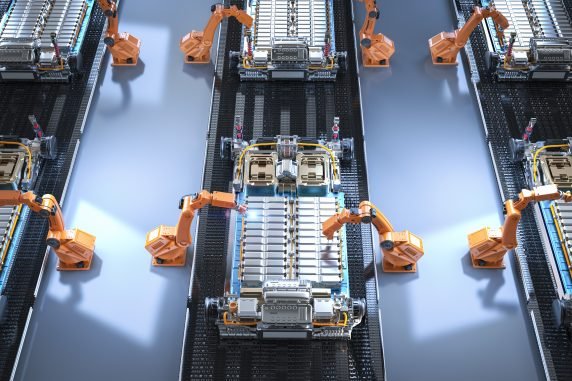
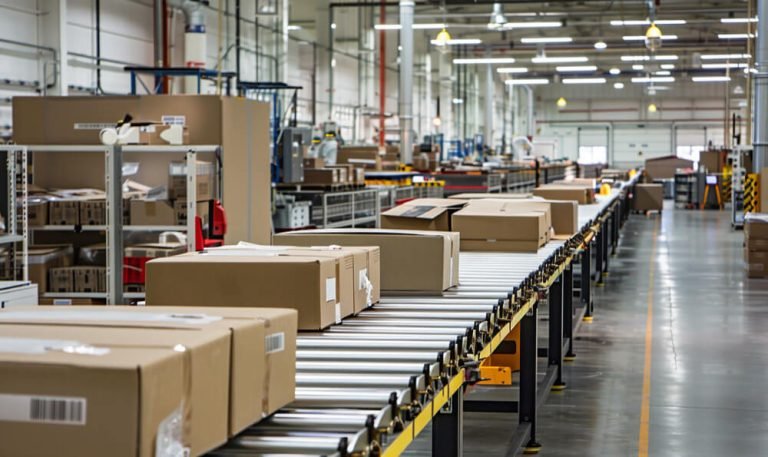
The engineering design process is the backbone of modern manufacturing and logistics. It’s a complex interplay of creativity, technical expertise, and strategic thinking that transforms abstract ideas into tangible products and efficient systems. From the initial concept to the final product, this process involves a series of stages, each critical to the overall success of the project.
A well-executed engineering design process can significantly impact a company’s bottom line. It can lead to cost savings, improved product quality, and faster time-to-market. Moreover, it can enhance operational efficiency, reduce waste, and improve customer satisfaction.
This blog delves into the intricacies of this process, exploring the key stages, tools, and technologies that drive innovation and efficiency.
1. Understanding the Engineering Design Process
We begin by outlining the fundamental stages of the engineering design process, including problem definition, research, conceptual design, detailed design, prototyping, testing, and production. Each stage is crucial in ensuring that the final product meets the desired specifications and performance criteria.
The problem definition stage involves clearly identifying the problem to be solved and defining the project’s objectives. Research involves gathering information on existing solutions, technologies, and industry standards. Conceptual design involves generating multiple design concepts and selecting the most promising ones. Detailed design involves refining the selected concept, creating detailed engineering drawings, and specifying materials and manufacturing processes.
Prototyping involves creating physical models or virtual simulations of the product to evaluate its design and performance. Testing involves subjecting the prototype to various tests to ensure it meets performance requirements and industry standards. Production involves manufacturing the final product in quantities required to meet market demand.
2. The Role of Technology in Engineering Design
The advent of Computer-Aided Design (CAD) and Computer-Aided Manufacturing (CAM) has revolutionized the engineering design process. These powerful software tools empower engineers to create precise 3D models, simulate product performance under various conditions, and generate detailed manufacturing instructions, streamlining the entire workflow.
CAD/CAM software enables designers to visualize and analyze complex designs, identify potential issues early in the development process, and make informed design decisions. Additionally, these tools facilitate collaboration between teams, enabling seamless communication and knowledge sharing. By leveraging the power of CAD/CAM, engineers can significantly reduce design time, improve product quality, and accelerate time-to-market.
3. The integration of 3D printing technology
The integration of 3D printing technology has opened new possibilities for rapid prototyping and manufacturing. By creating physical models directly from digital designs, engineers can iterate on designs quickly and efficiently, accelerating the time-to-market for new products.
3D printing enables the creation of complex geometries that would be difficult or impossible to produce using traditional manufacturing methods. This technology empowers engineers to explore innovative design concepts and test prototypes early in the development process. Additionally, 3D printing can be used to produce custom parts and tools, reducing lead times and minimizing waste. By embracing 3D printing, engineers can drive innovation, improve product quality, and stay ahead of the competition.
4. Simulation and analysis techniques
such as Finite Element Analysis (FEA) and Computational Fluid Dynamics (CFD), play a vital role in predicting product behavior under various conditions. By simulating real-world scenarios, engineers can identify potential design flaws, optimize performance, and make informed design decisions before committing to physical prototypes.
FEA and CFD enable engineers to analyze the structural integrity, thermal performance, and fluid flow characteristics of complex designs. This helps to ensure that products meet performance requirements, are reliable, and can withstand various operating conditions. By leveraging simulation and analysis tools, engineers can reduce the risk of product failures, minimize the need for physical testing, and accelerate the development process.
5. The Intersection of Engineering Design and Logistics
The convergence of engineering design and logistics is essential for ensuring efficient supply chain operations. By designing products with manufacturability and assembly in mind, engineers can minimize production costs and reduce lead times. Additionally, the use of digital tools and data analytics can optimize inventory management, transportation, and distribution.
By considering logistics factors early in the design process, engineers can identify potential bottlenecks and optimize product design for efficient manufacturing and assembly. This can lead to reduced production costs, improved product quality, and faster time-to-market. Furthermore, the integration of digital technologies, such as digital twins and IoT sensors, can enable real-time monitoring and optimization of supply chain operations. By leveraging these technologies, companies can improve visibility, reduce waste, and enhance overall supply chain performance.
6. Emerging Trends Shaping the Future of Engineering Design
As technology continues to advance, emerging trends such as AI, ML & IoT are reshaping the engineering design landscape. These technologies have the potential to automate routine tasks, improve decision-making, and enhance overall efficiency. By embracing these innovations, engineers can drive innovation, improve product quality, and stay ahead of the competition.
Final thoughts
By understanding the fundamental principles and leveraging the latest tools and technologies, engineers can navigate the complex engineering design process and drive innovation in manufacturing and logistics. To further enhance your design capabilities, consider partnering with ARi, a leading provider of engineering design solutions. Our team of experts can assist you in optimizing your products, streamlining your processes, and achieving your business goals. Contact us today to learn more about how we can help you.