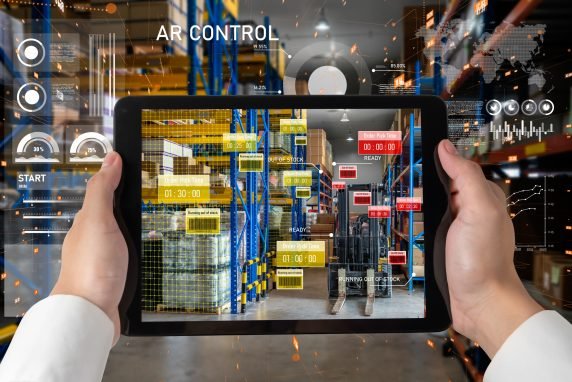
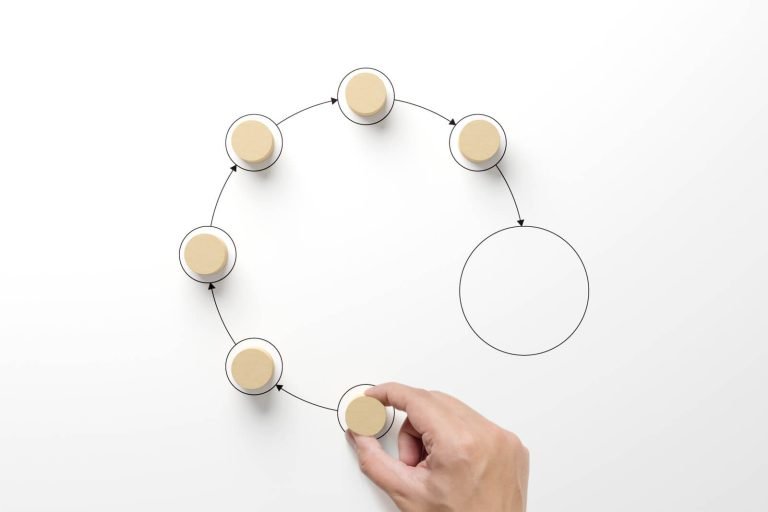
Product Lifecycle Management (PLM) strategy is critical to any successful business. It involves a well-planned and executed journey that takes a product from conception to commercialization. This journey, often called the product lifecycle, is a series of stages that every product goes through.
Understanding and effectively managing each product lifecycle stage is crucial for businesses to achieve their goals. By following a structured approach, companies can minimize risks, optimize resources, and maximize the potential of their products.
This blog provides a comprehensive guide to Product Engineering Lifecycle Management, covering its essential elements, stages, benefits, challenges, and metrics for success.
What Is the Product Engineering Lifecycle?
The Product Engineering Lifecycle is a systematic approach to managing the development and evolution of a product from its initial concept to its end-of-life. It involves various stages and activities that ensure the product meets customer requirements, is produced efficiently, and is supported throughout its lifespan.
The Elements of Modern Product Engineering Lifecycle.
A modern PLM system is composed of several key elements that work together to streamline product development and management. It has evolved significantly in recent years, driven by rapid technological advancements, changing consumer expectations, and increased market competition. Modern product lifecycles are characterized by shorter cycles, faster iterations, and a greater emphasis on customer feedback.
Here are some of the essential components:
Core Features:
- Product Data Management (PDM): A central repository for all product-related information, including CAD files, specifications, and documentation. This ensures easy access and management of product data throughout its lifecycle.
- Bill of Materials (BOM): A detailed list of all components, assemblies, and quantities required to create a product. The BOM is essential for manufacturing, procurement, and inventory management.
- Change Management: A system for tracking and managing changes to product designs and specifications. This helps to maintain control over product development and ensure that all stakeholders are informed of any modifications.
- Workflow Management: A tool for defining and automating the sequence of tasks and approvals involved in product development and changes. This streamlines processes and ensures that tasks are completed efficiently and on time.
- Collaboration Tools: Features that facilitate communication and collaboration among team members, suppliers, and customers. This includes tools like chat, file sharing, and project management capabilities.
Advanced Capabilities:
- Digital Thread: Creates a continuous, digital record of a product from concept to end-of-life, enabling better traceability and decision-making.
- Digital Twin: A virtual representation of a physical product that can be used for simulation, testing, and optimization before manufacturing. This reduces risks and improves product quality.
- Integration with Other Systems: Seamlessly connects with other business systems like ERP, CRM, and MES for a holistic view of product development and management.
- Artificial Intelligence (AI) and Machine Learning (ML): AI and ML can be used to automate tasks, improve decision-making, and predict future trends. For example, AI can be used to analyse product data and identify potential design improvements.
- Sustainability Features: Incorporating sustainability into product design and manufacturing processes, such as material selection and waste reduction. This can help companies reduce their environmental impact and meet the growing demand for sustainable products.
By combining these elements, modern PLM systems provide a comprehensive solution for managing the entire product lifecycle, from ideation to retirement.
Product Engineering Lifecycle Management Stages:
- Planning:
- Product Requirements: Clearly define the desired features, functionality, and performance of the product based on customer needs and market trends.
- Goals and Objectives: Setting Specific, Measurable, Achievable, Relevant, and Time-bound (SMART) goals for the product, such as sales targets, market share, and customer satisfaction.
- Target Markets: Identifying the specific groups of customers or industries that the product will be aimed at. This helps tailor the product’s features and marketing efforts.
- Design:
- Product Designs: Creating detailed blueprints, sketches, or digital models that visually represent the product’s appearance, functionality, and dimensions.
- Specifications: Developing technical specifications that outline the product’s components, materials, tolerances, and performance requirements.
- Prototypes: Creating physical or digital models of the product to test its functionality, usability, and aesthetics. Prototypes can be used to gather feedback from potential customers and make necessary adjustments.
3. Development:
- Building Prototypes: Constructing physical or digital prototypes based on the approved designs and specifications. These prototypes are used to refine the product and identify any design flaws or manufacturing challenges.
- Testing: Conduct various types of testing, such as functional testing, usability testing, and performance testing, to ensure the product meets quality standards and customer expectations.
- Manufacturing:
- Production Planning: Develop a production plan that outlines the manufacturing processes, resources, and timelines required to produce the product in large quantities.
- Quality Control: Implementing quality control measures to ensure that the manufactured products meet the specified quality standards. This may involve inspections, testing, and audits.
- Distribution:
- Channel Selection: Choosing appropriate distribution channels, such as retailers, wholesalers, or direct-to-consumer sales, to reach the target market.
- Logistics: Managing the transportation and storage of products from manufacturing facilities to customers. This involves coordinating with logistics providers and ensuring timely delivery.
- Maintenance:
- Customer Support: Assisting customers who have questions, issues, or require technical support related to the product. This may involve offering troubleshooting guides, FAQs, or customer service representatives.
- Updates and Upgrades: Developing and releasing updates or upgrades to the product to address issues, improve performance, or add new features.
- Product Maintenance: Ensuring that the product remains in good working condition through regular maintenance and repairs.
- Retirement:
- Product Discontinuation: Deciding when to discontinue a product based on factors such as declining sales, technological obsolescence, or changes in market conditions.
- Replacement: Introducing a new product to replace the discontinued one, if necessary. This may involve developing a successor product with improved features or addressing customer feedback.
Benefits of Product Engineering Lifecycle Management (PELM):
- Improved Efficiency: PELM streamlines processes, reduces time-to-market, and optimizes resource allocation, leading to greater efficiency and cost savings.
- Enhanced Collaboration: It fosters better communication and teamwork among stakeholders, ensuring a shared vision and alignment throughout the product lifecycle.
- Increased Quality: It emphasizes rigorous testing and quality control, resulting in higher-quality products with fewer defects and reduced rework.
- Better Decision Making: PELM provides data-driven insights and helps to identify and mitigate risks, enabling organizations to make informed decisions and avoid costly mistakes.
- Reduced Costs: It optimizes resource allocation, minimizes waste, and reduces the need for rework, leading to lower costs and improved profitability.
- Enhanced Compliance: PELM helps organizations adhere to industry regulations and standards, ensuring compliance and avoiding legal and financial penalties.
- Improved Customer Satisfaction: It focuses on understanding and meeting customer needs, resulting in products that are more likely to satisfy customers and increase loyalty.
Challenges in Product Engineering Lifecycle Management:
While PELM offers numerous benefits, it also presents several challenges that organizations must address to ensure successful implementation.
- Data Management
- Large Volumes of Complex Data: PELM systems must be capable of handling vast amounts of complex product data, including CAD files, specifications, and documentation. Managing this data efficiently and ensuring its integrity can be a significant challenge.
- Data Quality: Maintaining data quality is crucial for accurate decision-making and effective product management. Ensuring that data is consistent, accurate, and up to date requires robust data governance processes.
- Integration
- Connecting with Other Systems: Integrating PLM systems with other business systems, such as ERP, CRM, and MES, can be complex and time-consuming. Ensuring seamless data flow and avoiding inconsistencies requires careful planning and technical expertise.
- Change Management
- Effective Change Management: Managing changes throughout the product lifecycle can be challenging, especially in dynamic environments. Organizations must have effective change management processes in place to minimize disruption and ensure that stakeholders are informed and aligned.
- Adoption
- Overcoming Resistance: Implementing a new PLM system can face resistance from employees who may be reluctant to change their existing processes. Overcoming this resistance requires effective communication, training, and change management strategies.
- Ensuring User Adoption: To realize the full benefits of a PLM system, it is essential to ensure that users adopt and utilize the system effectively. This may involve providing adequate training, support, and incentives.
- Cost
- High Upfront Costs: Implementing a PLM system can involve significant upfront costs, including software licenses, hardware, and implementation services.
- Ongoing Maintenance Expenses: Maintaining and updating a PLM system requires ongoing investment in hardware, software, and support services.
- Customization
- Tailoring to Specific Needs: PLM systems may need to be customized to fit the specific needs and processes of an organization. This can be time-consuming and requires technical expertise.
- Complexity
- Understanding Functionality: PLM systems can be complex, with a wide range of features and functionalities. Understanding and effectively utilizing these features requires training and expertise.
- Scalability
- Handling Growth: As organizations grow and their product portfolios expand, PLM systems must be able to scale and handle increased workloads. Ensuring scalability requires careful planning and investment in infrastructure.
Measuring & Evaluating Product Engineering Lifecycle Management:
To assess the effectiveness of a PELM system, it is essential to establish key metrics and performance indicators. By measuring and evaluating these metrics, organizations can identify areas for improvement, optimize their processes, and demonstrate the value of PELM to stakeholders.
Key Metrics and Performance Indicators
- Time-to-Market:
- Metric: Average time from product concept to market launch.
- Evaluation: Compare the time-to-market with industry benchmarks or historical data. Identify bottlenecks and areas for improvement to reduce lead times.
- Product Quality:
- Metrics: Defect rate, customer satisfaction surveys, warranty claims.
- Evaluation: Track the number and severity of product defects, analyze customer feedback, and assess the frequency and cost of warranty claims.
- Cost Reduction:
- Metrics: Cost savings from reduced rework, improved resource utilization, and optimized processes.
- Evaluation: Quantify the cost savings achieved through PELM implementation and compare them to projected benefits.
- Efficiency:
- Metrics: Cycle time, resource utilization, and throughput.
- Evaluation: Measure the time it takes to complete specific tasks, assess how effectively resources are being used, and analyze the overall efficiency of the product development process.
- Collaboration:
- Metrics: Number of communication incidents, response times, and project completion rates.
- Evaluation: Assess the effectiveness of communication channels, collaboration tools, and teamwork among stakeholders.
- Compliance:
- Metrics: Audit results, non-conformances, and corrective actions.
- Evaluation: Ensure that products and processes comply with relevant industry regulations and standards. Track compliance metrics and take corrective actions as needed.
- Return on Investment (ROI):
- Metrics: Cost savings, increased revenue, and improved product quality.
- Evaluation: Calculate the ROI of the PELM system by comparing the benefits to the costs. Consider both tangible and intangible benefits, such as improved efficiency, reduced risks, and enhanced customer satisfaction.
- Data Accuracy:
- Metrics: Data quality audits, error rates, and data completeness.
- Evaluation: Assess the accuracy and completeness of product data stored in the PLM system. Ensure that data is up-to-date and free from errors.
- Change Management Effectiveness:
- Metrics: Number of change orders, time to implement changes, and impact on project timelines.
- Evaluation: Analyze how effectively changes are managed throughout the product lifecycle. Assess the impact of changes on project schedules and costs.
- User Satisfaction:
- Metrics: User satisfaction surveys, usage data, and support ticket volume.
- Evaluation: Gather feedback from users of the PLM system to assess their satisfaction with its features, usability, and support.
How ARi’s Expertise Can Guide Your Success:
Product engineering lifecycle management can be a complex process, but with the right guidance and support, it can be a powerful tool for driving business success. ARi’s product engineering services team offers a comprehensive approach to product development, testing, and delivery, helping you navigate the challenges and maximize the benefits of PLM. With our expertise and commitment to excellence, we can help you streamline your processes, improve product quality, and accelerate time to market.
Contact us today to learn more about how our solutions can help you build a better future for your business.