Over the last 20 years, manufacturers have significantly improved their value chain performance, boosting productivity by almost 47%. However, traditional processes and operations are now seeing diminishing returns. The concept of Industry 4.0, the Fourth Industrial Revolution, integrates digital technologies into various aspects of manufacturing.
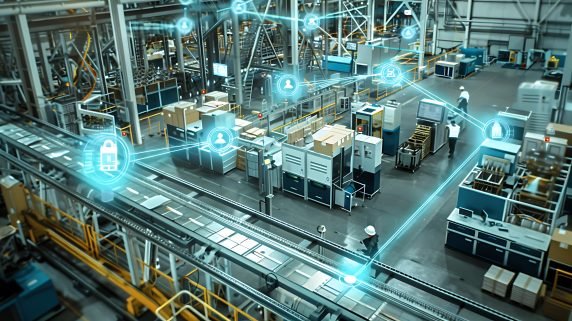
It aims to create smart factories wherein systems, processes and machines communicate with each other and cooperate autonomously. This ensures real-time data exchange, agile production, and predictive maintenance, boosting productivity and cost savings.
We are now living in the age of automation wherein modern approaches like Digital Manufacturing are helping businesses manufacture products at a lower cost. The industry is now tipping at a turning point as they inject significant funds and time into embracing digital transformation to the forefront of businesses. Industry 4.0, or Manufacturing 4.0 is an important shift from centralized to decentralized manufacturing that turned tables for companies to operate on technical excellence rather than decisions driven by wages.
Today’s digitally enabled factory looks very different from a leading factory 10 years ago. Manufacturers can now pick from hundreds of potential solutions like Digital Design and Simulation, Guided Assembly, Video Analytics, Digital Twin, Condition Monitoring, Predictive Maintenance, and technological applications to enhance their ways of working. Some significant returns across various sectors include:
- 30-50% reduction in machine downtime
- 10-30% increase in throughput
- 15-30% improvement in worker productivity
- 85% more accurate forecasting
- 10-20% cost of quality improvement
*McKinsey report
Key Aspects Shaping Digital Manufacturing
- The Rise of Generative AI
AI is cited as the most important technology to drive success in manufacturing as per a recent study by IBM. When combined with Cloud Computing, Big Data Analytics and IoT, AI, in collaboration with automation and Machine Learning, can empower manufacturers with better decision-making abilities. AI-powered algorithms can also help businesses and leaders understand how their processes work by analyzing inputs to recognize major patterns and trends. AI can also detect glitches and defects and help leaders fix issues early in the manufacturing process. Above all, it revolutionizes how products are designed, developed, and delivered.
- Sustainable Manufacturing
This doesn’t just reduce carbon footprint but also incorporates energy-efficient processes and renewable energy sources. Also known as green or eco-friendly manufacturing, it includes avoiding causing harm to the environment, reducing emissions and pollution, and cutting waste of raw materials or other resources. By reducing the consumption of water, energy, and other limited substances, companies also increase the safety of their surroundings, communities, and workers.
- Cobots for Safety and Efficiency
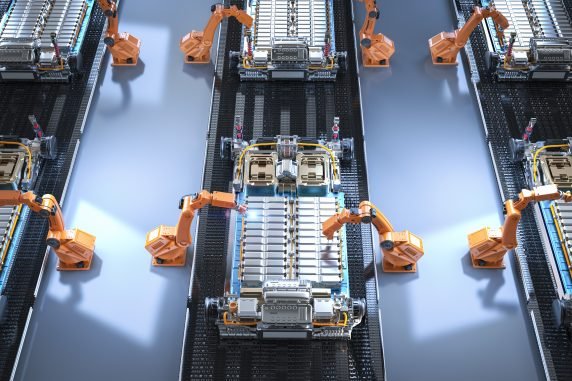
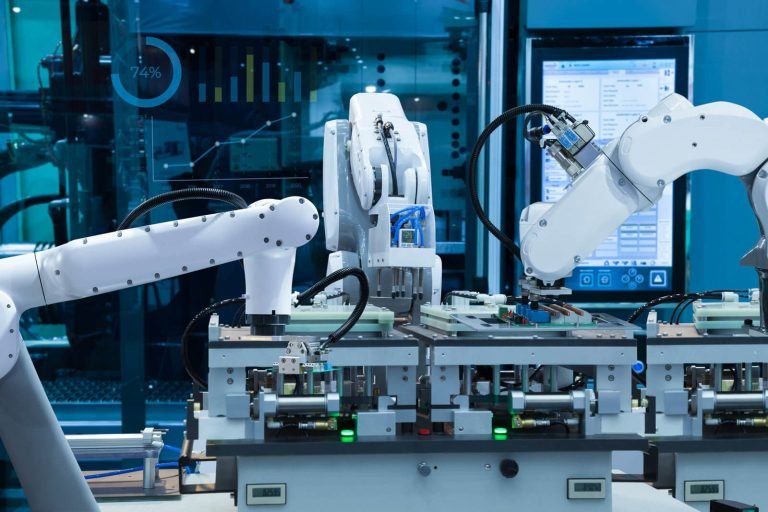
Collaborative robots work alongside humans to handle repetitive tasks and fill skill gaps while enhancing efficiency. They are best suited for companies with a lower volume and higher variability. Since they promise lower risk to human safety than traditional robots, they are also best suited for environments that need adaptability. Cobots tend to offer flexibility for work environments that are constantly fluctuating, and the deployment is easier than traditional robots. Cobots can help with multiple applications such as Picking, Packing, Palletizing, Welding, Material Handling, Assembly, Quality Control. Manufacturers usually see ROI sooner with cobots since they have a lower upfront cost and more affordable integration.
- Supply Chain Management
A company’s supply chain is a significant ecosystem of activities, and its strength allows the business to bring its offerings to consumers and achieve the much-needed competitive edge. Innovations like AI, IoT and Advanced Analytics give manufacturers a detailed understanding of operations and help optimize performance across the floor. Digital initiatives optimize traditional supply chains, enhance control and build better resilience and preparedness for future company disruptions. Technologies like SaaS, Big Data, Blockchain, ML, NLP, VR and AR promise benefits in automation, collaboration, cost reduction, speed, and connectivity.
- Virtual Product Development
Digital design, simulation technologies, EDA, CAE, and CAD ensure more reliable and faster designs and modelling for products. The virtual processes reduce material costs, time, and expenses to develop physical prototypes. It also helps companies keep pace with rapidly evolving market demands as you can evaluate prospective product performances before its actual physical creation. A deeper understanding of product functionality ensures extensive pre-production assessment and helps drive digital transformation even faster.
Benefits of Digital Manufacturing Technologies
- Improved efficiency and productivity through automation and optimization
- Enhanced product quality and customization
- Empowerment of workers with new skills and capabilities
- Reduced time-to-market and lower production costs
- Greater flexibility and agility to respond to market demands
- Enhanced supply chain visibility and resilience
Key Challenges and Considerations:
| Challenges | Solutions |
| High upfront costs and investments | Measuring ROI for digital transformation, retrofitting legacy systems to balance production continuity with implementing new technologies, and choosing the right digital solutions to ensure maximum fund utilization. |
| Resisting change | Employees need upskilling and training to understand automation, new technologies, and data analytics. |
| Data security and privacy | Developing robust cybersecurity measures to safeguard production processes and data to prevent breaches and disruptions. |
| Scalability | Choosing adaptable technologies will help avoid early obsolescence and allow companies to evolve without undergoing a complete overhaul when requirements change every time. |
| Regulatory compliances | Adhering to global standards is the key to mitigating risks and ensuring ethical business practices. |
Develop Your Vision for Digital Transformation
To stay competitive and drive growth in the industry 4.0 era, businesses must embrace a comprehensive vision for digital transformation. This vision includes:
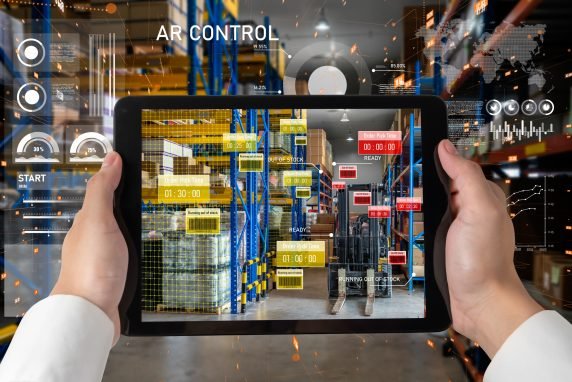
- Data Visualization and Performance Tracking: Utilize RFID for container tracking, automate reporting processes, and personalize data for users to enhance decision-making and operational efficiency.
- Digital and Mobile Platforms: Implement key apps for technicians, supervisors, and operators to enable paperless processes, increasing productivity and reducing errors.
- Advanced Planning: Optimize production line and warehouse scheduling with advanced analytics and capacity planning to streamline operations.
- Digital Maintenance: Transition to a digitalized work order process, incorporate digital shutdowns, and implement predictive maintenance based on real-time conditions to minimize downtime and improve reliability.
- Digital Sustainability: Track utility and raw material consumption data with full traceability to suppliers, ensuring sustainable practices and compliance with environmental regulations.
- Automation: Deploy automated guided vehicles (AGVs) for efficient pallet movement and container loading/unloading to enhance throughput and reduce labor costs.
These elements collectively form the backbone of a robust digital transformation strategy. By integrating these technologies, businesses can not only improve operational efficiency but also gain a significant competitive edge.
How can ARi Global help you begin your Digital Manufacturing journey?
The first phase often includes identifying the value at stake and prioritizing the ideal list of technologies – considering data and organizational maturity. You can then build a road map on this groundwork and define a deployment strategy for the initial rollout, followed by a detailed plan to reach scale. It’s also important to create momentum for your digital transformation for financial & operational value. You will soon see benefits in organizational capabilities, customer service performance, workforce satisfaction, and even environmental impact. As a result, your digital initiatives will translate into a competitive advantage, and the programs will soon become self-funding.
ARi Global Solutions offers a wide range of digital manufacturing services like virtual build, design for assembly, facility planning and validation, robotic process automation, discrete event simulation, and more to optimize your operations, innovate products and deliver value to customers. Position your manufacturing company for success in an increasingly digital and interconnected world.
Ready to embrace the future of manufacturing? Contact us to stay ahead of the curve.